

Blog Post
Search Engine Optimization

Nadine
Wolff
published on:
What is Link Building? A Guide with Helpful Tips for Building Links
Table of Contents
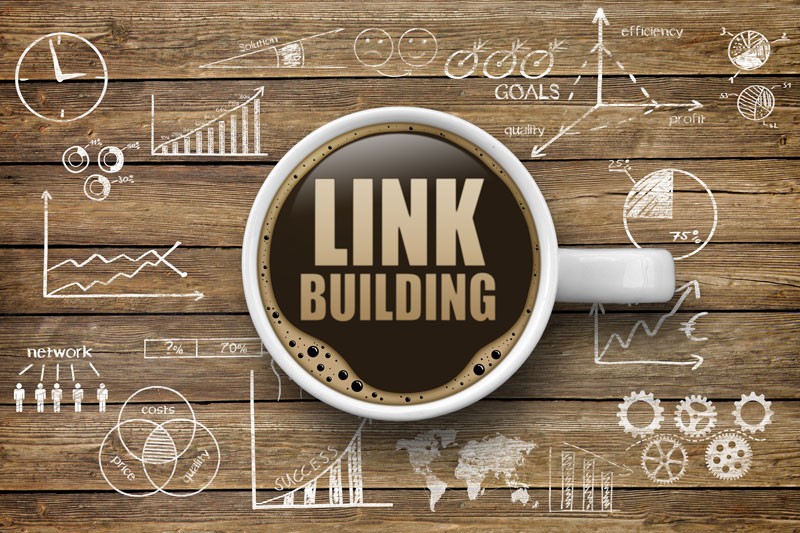
Link building (also written as linkbuilding or link-building) refers to the process of getting external websites to link to your website, as well as creating internal links within your own site. Link building is a search engine optimization (SEO) method that falls under the category of off-page optimization.
Link building techniques are used to improve a website's ranking on Google and other search engines.
Several factors are crucial in search engine optimization. On one hand, what happens directly on the website matters. You should ensure that a website is technically well-built (Technical SEO) and that the content is high quality, relevant, and well-optimized (On-page SEO). Beyond that, you also need to focus on what happens outside your website (Off-page optimization). This includes how your link building is structured to drive traffic from other relevant sites to your own.
Understanding Link Building and Off-Page Optimization
Link building can be a time-consuming and challenging process, as not every link or backlink (a link pointing to your site) carries the same quality. Nowadays, link building is essential in digital marketing if you want to succeed online. As of early 2018, plenty had already been written about link building—attempting definitions or sharing various shorter articles on the topic. What was missing was a comprehensive guide offering a complete overview and practical tips. Until now!
In this guide, we'll explain everything you need to know about link building and show you how you can become a link builder yourself to create high-quality backlinks.
We hope you find plenty of practical tips in this guide to help you along the way!

Fig. 2: What is link building?
Link Building: Why Is It Important?
Google places a lot of value on the incoming links a website receives from other websites.
The quantity and, above all, the quality of backlinks pointing to a domain—created through link building—are together one of the top three ranking factors for Google and other search engines. These metrics play a key role in evaluating a website when it comes to ranking it higher or lower in search results for various keywords. Links act as signals for search engines.
You can compare the signals from link building to everyday office life. Imagine you start at a new company and deliver fantastic results. If none of your new colleagues notice and word never gets around internally, nobody knows how good you are, and you might miss out on the recognition you deserve.
However, if your colleagues and managers mention how great your work is during meetings, that sends a strong signal that could lead to a promotion. It will likely make your work much more appreciated by your superiors. While this is a simple analogy, it works quite similarly with links and search engine optimization. The underlying concept is that a website gains importance the more endorsements and visits it receives from different websites within an industry.

Fig. 3: Links as a sign of popularity
A domain with many high-quality incoming links (also known as backlinks) is rated better by Google than a website with fewer or lower-quality backlinks.
What Are Backlinks and Why Are They Important in SEO Link Building?
A backlink is a reference (in the form of a hyperlink) from an external website pointing to your own site.
When one website links to another, it means the referenced page is relevant for one or more reasons. For instance, the link might point to additional information on a specific topic or serve as a source citation.
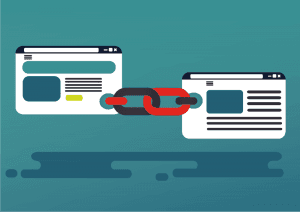
Fig. 4: Example of a backlink
A backlink can also be seen as an endorsement or vote of confidence for a website. Having many positive endorsements will positively impact your position in search results. Backlinks essentially act as PR and marketing for your website on Google.
What is a Link?
A link (or hyperlink) is a connection from one place on the internet to another. When someone clicks on a hyperlink, they are directed to a new source of information. Links connect different web pages and tie the entire internet together. The anatomy of a link: In other words, what does a link look like in HTML?
To understand link building and work as a link builder, you first need to understand the basics of what a link looks like and how a backlink is created.
The image below shows the anatomy of a hyperlink in HTML code:

Fig. 5: What is a link? Explained
Opening: A hyperlink begins with an anchor tag ( <a ), signaling to search engines that a link is starting.
Reference: The href attribute specifies the destination of the link. The text inside the quotes determines the URL the link points to: ( href="https://www.marketinglenses.nl/linkbuilding" ).
Anchor text: Anchor text is the clickable text displayed to the user. It gives both visitors and search engines an idea of what the linked page is about: ( >linkbuilding< ).
Closing: The link is completed with the closing tag of the anchor element ( /a> ).
Understanding Dofollow vs. Nofollow Links
As mentioned above, there are two main types of links. By default, links are dofollow (and look just like the example above). In response to spammy SEO practices (more on that later), the nofollow tag was introduced. With nofollow links, webmasters can link to another site without passing PageRank (or link juice). In other words, Google does not pass value through a link with a rel="nofollow" attribute in the HTML element the way it does with a standard link.
You can usually expect links posted in forums or blog comments to be set to nofollow automatically.
Here is an example of a nofollow link:

Fig. 6: What is a nofollow link? Explained
Does that mean nofollow links are bad? Not at all! In fact, having nofollow links in your backlink profile is completely normal, healthy, and expected (more on this later).
Quantity vs. Quality of Backlinks
What does link building mean in terms of quality versus quantity?
To Google, a link is a signal of both popularity and relevance.

Fig. 7: Link relevance and popularity
The more unique domains that link to a website, and the more diverse backlinks it earns, the more popular it appears (thanks to link quantity) in the eyes of search engines like Google.
Where those backlinks come from also matters a lot. A backlink from a well-established, reputable site carries far more weight than one from an obscure website.
Additionally, the context and topic of the linking page are critical.
For an automotive website, getting a backlink from a car blog is far more valuable than getting one from a women's fashion site. All of these factors determine a link's quality. An irrelevant link provides little to no ranking benefit and might even backfire (more on that later). In the past, both the quantity and quality of a site's backlinks were measured using Google's PageRank (PR).
Named after Google co-founder Larry Page, this algorithm calculated a score for a domain (from 0 to 10) based on the backlinks pointing to it. The higher the score, the stronger the signal that the site offered valuable, relevant content.
Before Google, link building was purely about the raw number of backlinks (inlinks). PageRank changed the game completely, transforming how SEOs approach link building ever since.
Today, the SEO industry relies on various metrics provided by popular marketing tools to evaluate a website's link profile, domain authority, and popularity.
Key examples include Majestic's Trust Flow (TF) and Citation Flow (CF), as well as Ahrefs' Domain Rating (DR). These metrics help gauge whether incoming links come from trustworthy, authoritative domains.
For instance, Ahrefs' Domain Rating increases as a domain earns more links from other websites. In turn, links coming from sites with a high DR carry significantly more weight than those with a lower rating.

Fig. 8: Ahrefs SEO tool showing Domain Rating
While Trust Flow reflects the trustworthiness or "quality" of incoming links, Majestic's Citation Flow reflects the overall "quantity" of backlinks. A link from an authoritative, niche-relevant website carries much more weight and passes far more trust than a link from a small, unknown blog.
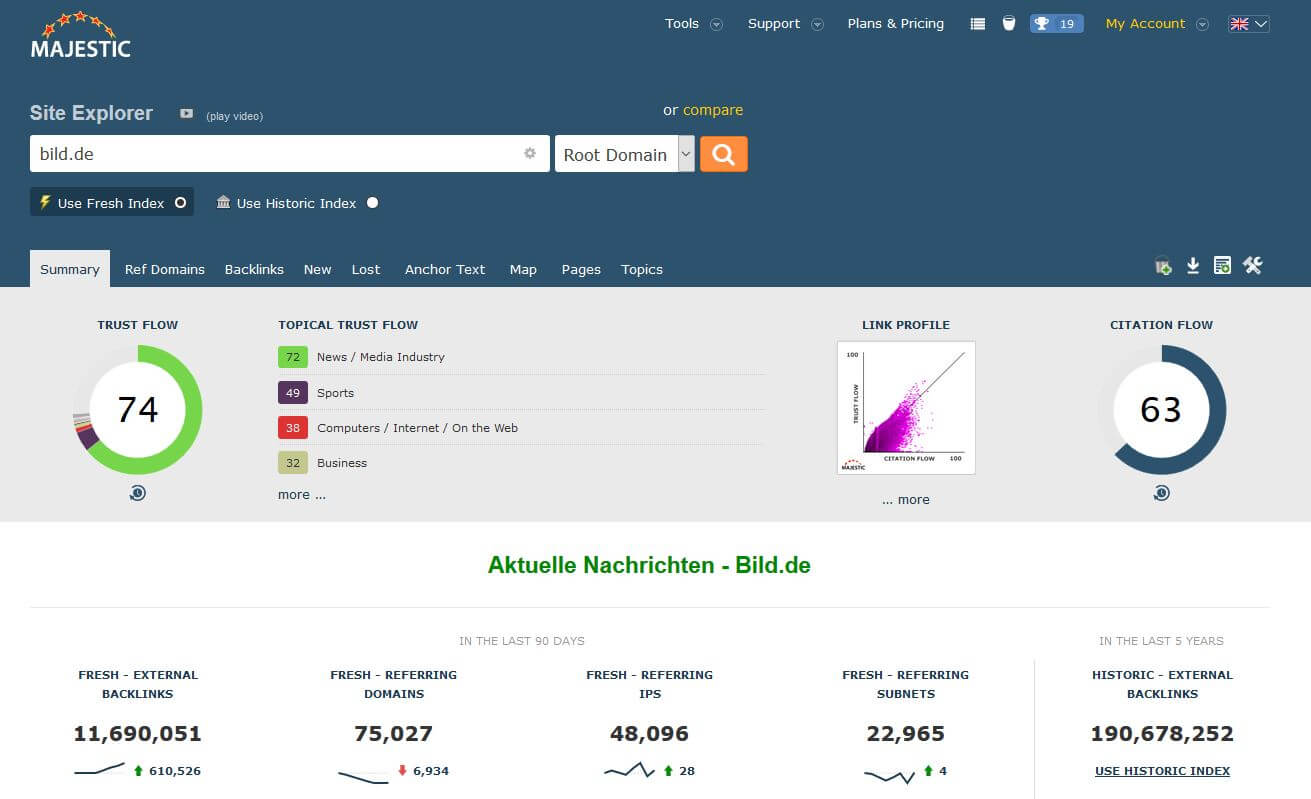
Fig. 9: Majestic Link Building Tool showing Trust Flow and Citation Flow
Websites with higher authority scores generally rank faster and higher in Google and other search engines. Earning quality backlinks through link building remains vital in 2018 for anyone looking to boost their search rankings.
This isn't just based on statements from Google itself; it's also backed by numerous industry surveys investigating the strongest ranking factors.
Well-known SEO studies prove this repeatedly. Insights from research by Moz, the Searchmetrics Ranking Factors study, and Stone Temple's 2017 research all provide clear data on the strong link between backlinks and top Google rankings.
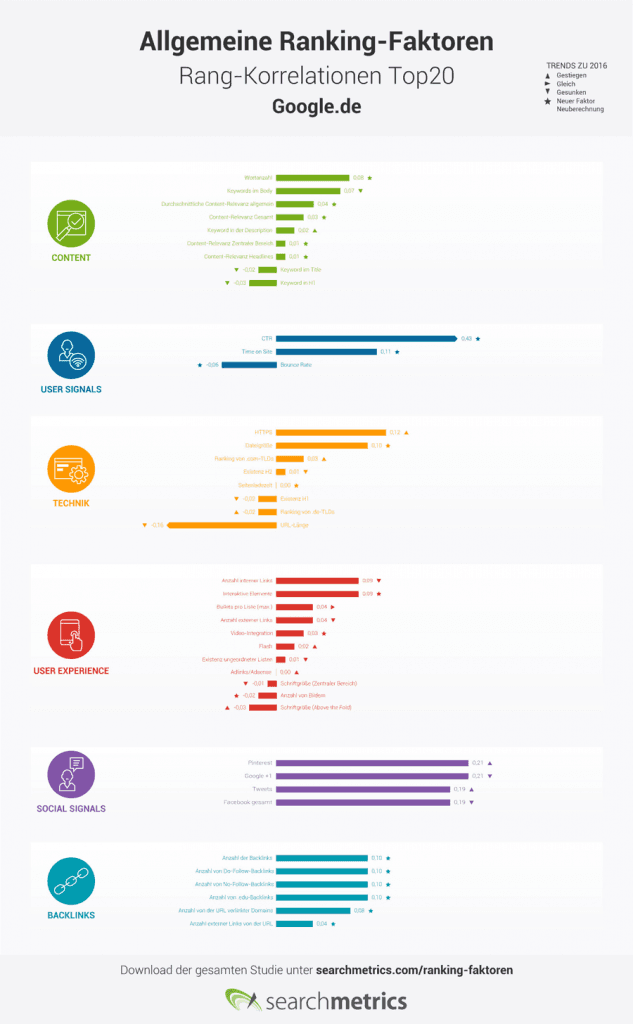
Fig. 10: Google ranking factors for SEO and link building
These studies show that, compared to other important SEO factors, the number of referring domains correlates most strongly with higher search engine rankings. Link building (off-page optimization) is therefore indispensable if you want your website to be visible to your target audience online.
What Does Quality Mean in Link Building, and What Does a Natural Link Profile Look Like?
Effective link building can dramatically improve your Google rankings.
But what actually makes a good backlink?
How does anchor text affect your rankings?
And what does a truly natural link profile look like?
Let's answer these questions in this section.
What is a Good Link Profile?
A natural link profile grows steadily and features a diverse mix of organic backlinks. That is exactly what Google and other search engines look for.
Because of this, link building should be an ongoing effort. It's best to build links consistently over a natural period of time.
Building dozens of links in a single week followed by months of silence is a bad idea. Search engines see this as unnatural and penalize websites trying to manipulate rankings with sudden bursts of links. A Google penalty can cause many of your keywords to drop out of the index entirely, making your site practically invisible in search results.
That's why having a smart, professional link building strategy is so essential.
To build a healthy profile, link builders should focus on steadily earning quality backlinks from both large and small reputable websites.
A varied anchor text distribution and a healthy mix of dofollow and nofollow links are equally crucial.
The Ideal Anchor Text Distribution
There is no one-size-fits-all formula for anchor text distribution, as it varies depending on your industry, competitors, and specific website goals. That said, SEO experts generally agree on what constitutes a safe and effective distribution. The breakdown below offers a recommended guideline across different anchor text types.
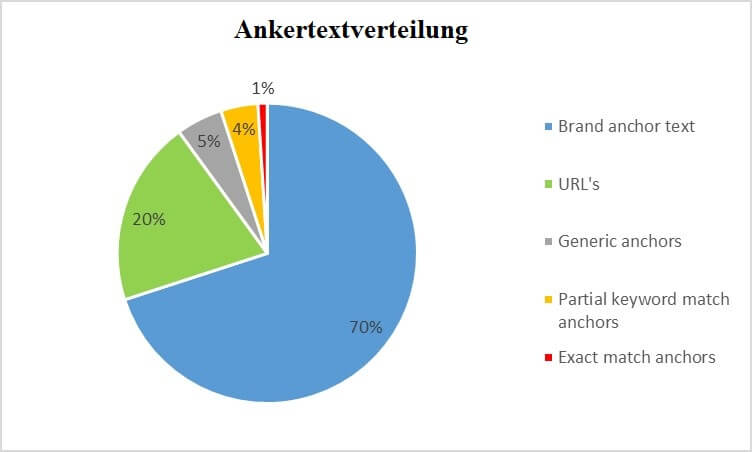
Fig. 11: Distribution for a natural link profile
70% Brand anchor text: Google loves established brands. Backlinks that use your brand name are the least likely to be flagged as spam. The bulk of your anchor text should ideally consist of branded terms.
20% URLs (naked links): Another natural anchor format is linking directly via the URL. In this case, no descriptive text is used; the link text is simply the full web address (see "Anatomy of a Link" above).
5% Generic anchors: These are safe, neutral words that don't directly mention your target keywords. Examples include: "click here," "read more," or "visit this website."
4% Partial match keywords: Here, you include target search terms alongside descriptive or neutral words. For example, if you want to rank for "driving lessons," an anchor like "learn more about driving lessons" works as a partial match.
1% Exact match anchors: The anchor text matches the exact target keyword you want to rank for. While this is the most powerful anchor for rankings, it is also the riskiest. Overusing exact-match anchors is one of the quickest ways to trigger a Google Penguin penalty (more on this below).
For a deeper dive into anchor text variations, check out this excellent GotchSEO article on anchor text strategy.
Are All Links Created Equal? Not Quite!
The quality of the referring page and the authority of its domain matter immensely, as they reflect directly on your own site's credibility. High-traffic websites within related topics tend to link to other top-quality resources rather than obscure, low-visibility sites.
What does link building look like today, and how has it changed? Over the years, SEO and link building strategies have matured significantly. Thanks to major Google algorithm updates, tactics that worked years ago are obsolete in 2018. In fact, outdated methods can actively hurt your site. The most impactful update for off-page SEO has been the Google Penguin update. Penguin evaluates link quality between websites and penalizes manipulative link building schemes to ensure search results remain fair and authentic. Continuously refined since its launch in 2012, it has evolved into the real-time Penguin algorithm (Penguin 4.0). This means Penguin now identifies and penalizes unnatural link practices continuously and faster than ever.
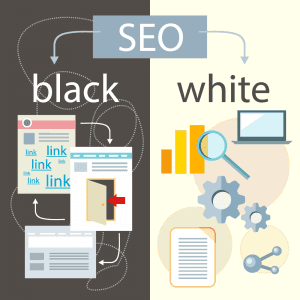
Fig. 12: Understanding the difference between Black-Hat SEO and White-Hat SEO
Here are some common examples of black-hat techniques (practices that violate search engine guidelines):
Automated link placement across large networks of low-quality sites.
Websites created solely to distribute outgoing links (link farms).
Comment spam (dropping links into article comment sections purely for SEO).
Submitting links to irrelevant, low-quality web directories.
Generating unnaturally repetitive link references from a single website.
Trading irrelevant backlinks in reciprocal link schemes.
Are these techniques completely dead today? No, they are still surprisingly common because they are cheap and require very little effort upfront.
There are still plenty of self-proclaimed "link building experts" peddling cheap packages promising hundreds of links for minimal spend.
While this might sound tempting to beginners, as mentioned earlier, these shortcuts almost always harm your site in the long run.
Black-hat tricks might offer a brief bump, but in our experience, Google Penguin catches on quickly and penalizes domains using these tactics. In the worst case, your site could disappear from search results altogether.
That's why sticking to white-hat techniques that follow Google's guidelines is always the smarter path.
Earning Relevant Links from Diverse Domains
In 2018, securing backlinks from reputable, contextually relevant websites is more critical to your digital marketing than ever.
If your site sells apparel, backlinks from fashion blogs or clothing retailers are fantastic; links from automotive repair sites, not so much.
It's also worth noting that getting a fresh backlink from a new domain is generally more valuable than earning another link from a site that has already linked to you before.
Think back to the colleague complimenting your work in a meeting. It carries much more weight when multiple team members vouch for your skills across different meetings rather than the same person repeating it every time. Link building works the exact same way.
The higher the quality of your links, the better your site will rank, which ultimately translates into greater business growth and success.
How Do You Build Links? Effective Ways to Earn Backlinks
What does link building actually look like for you in practice?
The goal of link building is simple: acquire quality backlinks from external websites pointing to yours.
Earning multiple quality backlinks helps boost your SEO performance, enabling you to rank higher for relevant keywords and making your brand easier to find for potential customers.
So how do you actually acquire backlinks?
What steps should you take to encourage other sites to link to you?
Where should you focus your energy first?
Link building is a comprehensive effort that demands time and consistency—at least if you want to do off-page optimization the right way.
The secret is not obsessing over getting as many links as possible, but rather creating compelling, high-value content that people naturally want to share and reference.

Fig. 13: How to optimize content for SEO
Valuable content gets shared much faster, both through backlinks and across social media. You can use this to your advantage! Several proven strategies can help you earn great backlinks.
Some off-page methods take a bit more time than others, but their long-term impact on SEO makes them well worth the effort.
Proven Link Building Strategies
Here is a lineup of reliable link building techniques you can start implementing right away:
Submitting your domain to relevant industry directories: Ensure the directories are reputable, moderated, and genuinely relevant to your audience.
Creating unique, high-value content on your website: Produce resources that genuinely solve problems for your readers. When content is truly useful, people will naturally link to it.
Using linkable assets (link bait): Develop engaging visual content designed to attract attention and citations, such as informative infographics, original videos, or comprehensive white papers.
Writing guest posts for reputable industry blogs: Reach out to other site owners offering helpful, well-written guest articles on topics their readers will love. You can naturally include a contextual link back to your website within the content.
Distributing press releases: Whenever you launch an exciting new product, project, or milestone, send a press release to local media or industry news sites. When they cover your story, they will usually link back to your site as the original source.
Engaging in forums and niche blogs: Join relevant discussions and contribute useful insights, occasionally adding a link to your content where it genuinely adds value (keep in mind these are often nofollow links).
Running a competitor backlink analysis: Discover where your top competitors are getting their backlinks. Are those platforms relevant for your business too? Reach out and see if there is an opportunity for them to link to your content as well.
Setting up an ABC link exchange: Direct two-way link trades are often low value or risky (as noted above), but three-way exchanges can be an effective alternative. Simply put: Site A links to Site B, Site B links to Site C, and Site C links back to Site A. This earns you a backlink on Site C without requiring a direct reciprocal link from your own domain.
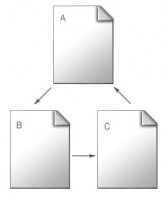
Fig. 14: ABC link exchange in link building
Broken link building: This strategy requires a bit of research, but it works wonders. You search for broken or dead links on relevant resource pages where you would like a link. When you find one that leads to a 404 error, you reach out to the author or webmaster, let them know about the broken link, and suggest your resource as a great replacement.
Product reviews: Offer free samples of your product or service to prominent bloggers in your niche. In return, they can share an honest review on their blog along with a backlink to your store or site.
For even more link building ideas, take a look at our article on backlinks and link building tactics, as well as Jon Cooper's comprehensive guide written for Point Blank SEO.
Every link builder develops their own favorite tactics over time. Which methods you choose to prioritize is entirely up to you. Your approach should align with your business goals, your available resources, and your overall marketing budget.
Above all, always focus on delivering real value and relevance to the end user through every link you create.
Helpful Link Building Tips
To help keep you on the right track, here is a handy summary of link building dos and don'ts.
Essential link building tips you can put to work today:

Fig. 15: Tips and advice for link builders
Make sure you earn a healthy mix of both dofollow and nofollow links. A blend of both link types looks much more natural (you can pick up nofollow links naturally via forums and social media).
Backlinks from different domains hosted on unique IP addresses carry far more weight than multiple links sharing the same IP. Aim for diversity across unique hosting environments.
Keep your anchor text diverse to maintain a natural-looking link profile.
Only consider reciprocal link exchanges with high-authority domains, and only if the link provides clear, genuine value to readers (otherwise, you risk triggering a Google Penguin penalty).
Ensure that you build links to various pages across your site, rather than pointing every backlink solely to your homepage. Directing links to specific articles or product pages (deep linking) creates a much more natural profile.
Backlinks from sites in your primary language and matching your country code top-level domain (ccTLD), such as .de, are generally more impactful than links from foreign-language websites.
Keep an eye on how many external links already exist on the linking page. Who else are they linking to? Try to avoid pages packed with excessive outbound links.
Share your content across your social media channels. While social signals (such as links, likes, and shares) aren't direct ranking factors like traditional backlinks, strong social activity is increasingly visible and can amplify your reach.
For even more practical advice, check out this great guide on SEO link building by Brian Dean at Backlinko. Link building pitfalls to avoid:
Avoid getting links from spammy websites or so-called "bad neighborhoods." Steer well clear of links from low-quality sites (such as pills, adult content, gambling schemes) and spam-filled forums.
Don't build links in erratic bursts. Gaining hundreds of links overnight only to stop completely creates an unnatural profile that raises red flags with search engines.
Avoid irrelevant links. Always make sure links are closely connected to your site's content. If you run a footwear shop, a link from a fashion blog is a great fit, but a link from an office supplies retailer won't make much sense.
Becoming a Link Building (Off-Page SEO) Specialist
In this guide, we've walked you through the core principles of link building and off-page SEO. We've covered key concepts and shared practical, proven tactics you can implement right away.
Securing top rankings on search engines is more valuable than ever as more and more users turn to Google every day. Mastering the off-page side of SEO is an essential ingredient in your website's overall success.
We hope this guide helped answer the question, "What is link building?" and inspired you to take charge of your off-page optimization to drive your search visibility forward.
If you'd rather leave link building to experienced professionals, you can always outsource your link building to achieve the best possible performance.

Fig. 16: Link building Q&A
How Can We Help You?
If you have any questions about off-page SEO strategies or want to learn more about how to achieve sustainable, effective marketing results, we'd love to help! Send us your questions and let's craft a winning link building strategy together, so you don't lose valuable traffic to your competitors.
Nadine
Wolff
As a long-time expert in SEO (and web analytics), Nadine Wolff has been working with internetwarriors since 2015. She leads the SEO & Web Analytics team and is passionate about all the (sometimes quirky) innovations from Google and the other major search engines. In the SEO field, Nadine has published articles in Website Boosting and looks forward to professional workshops and sustainable organic exchanges.
